A snow day is one of winter’s great joys, but the same weather that cancels school also brings genuine hazards. A little preparation keeps the day fun and worry-free. Here are practical safety tips for families, from dressing right to staying ready at home.
Dress in Warm, Dry Layers
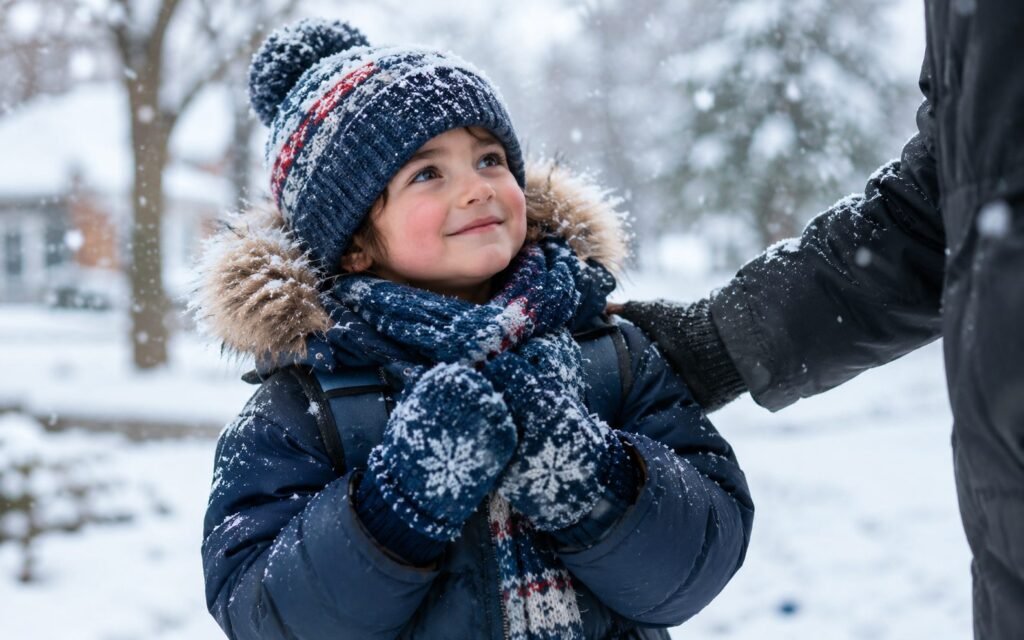
The foundation of cold-weather safety is clothing. Dress children in several thin layers rather than one bulky one, as layers trap warm air and can be adjusted. Top it with a waterproof coat and trousers, insulated gloves or mittens, a warm hat, thick socks and waterproof boots.
Wet clothing is the enemy. Keep a dry change ready for the moment they come inside, and swap out damp gloves and socks quickly.
Watch for Frostbite and Hypothermia
Cold injuries can develop faster than you expect, especially in wind. Know the warning signs:
- Frostbite: numb, pale, hard or waxy skin, most often on fingers, toes, ears, nose and cheeks.
- Hypothermia: intense shivering, slurred speech, clumsiness, confusion or unusual drowsiness.
If you spot these signs, bring the person indoors, remove wet clothes and warm them gradually. For severe symptoms, seek medical help right away. Trusted first-aid guidance from an organisation like the Red Cross is worth reviewing before winter.
Limit Time in Dangerous Cold
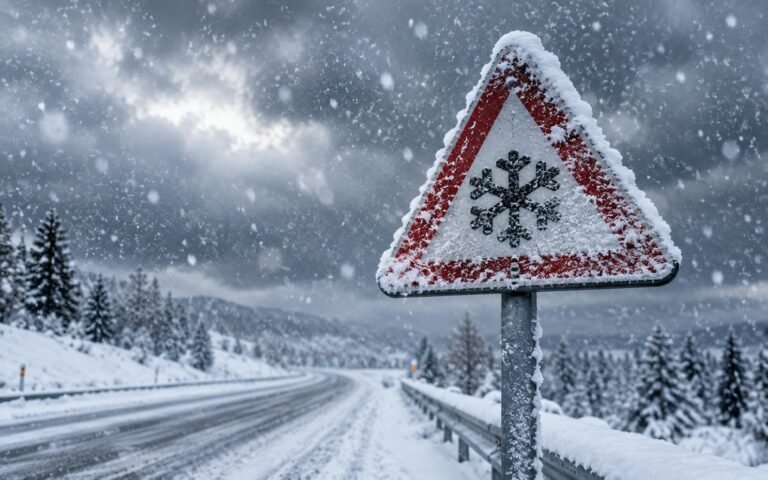
In mild cold, half an hour to an hour of play before a warm-up break is fine. But when wind chills are severe, exposed skin can suffer frostbite in minutes. On those days, keep outdoor time very short or stay in. Check official wind chill alerts, and remember that wind makes the real risk far higher than the thermometer suggests, as our guide what causes a snow day explains.
Sled and Play Safely
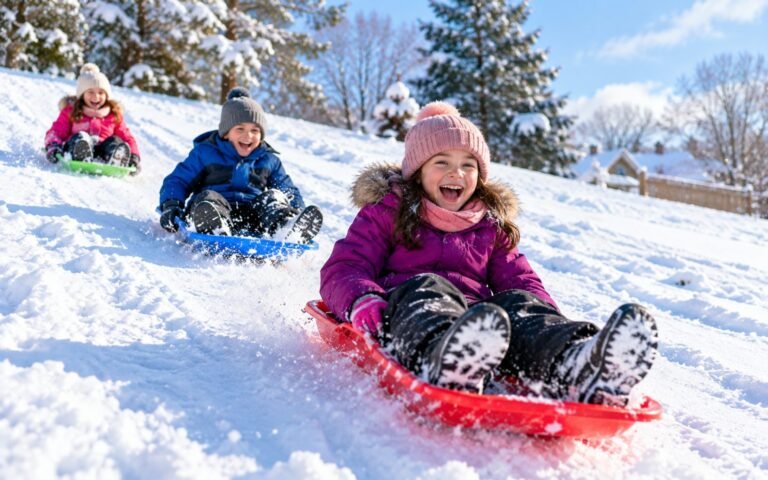
Most snow-day injuries come from the fun itself. A few simple rules help:
- Choose sledding hills well away from roads, ponds, trees and fences.
- Sled sitting up and feet-first, never head-first.
- Consider a helmet for fast or icy hills.
- Keep snowball games gentle and aim for bodies, never faces.
- Supervise younger children at all times near snow piles, which can collapse.
Be Careful on Ice
Ice is deceptively dangerous. Walk flat-footed and take short steps on slick paths. Never let children walk or play on frozen ponds, lakes or streams unless local authorities have confirmed the ice is thick enough, which is rare and hard to judge. Salt or grit your own steps and walkways to prevent falls.
Home Heating and Power Safety
Staying warm indoors has its own risks. Keep space heaters at least three feet from anything that can burn, and never leave them running unattended or overnight. Never use an oven, grill or generator indoors to heat your home, as this risks deadly carbon monoxide. Make sure smoke and carbon monoxide alarms are working, a key step echoed by preparedness resources like Ready.gov.
Be Ready for a Power Outage
Heavy snow and ice can bring down power lines. Keep a simple winter kit on hand: torches and spare batteries, warm blankets, bottled water, non-perishable food, a power bank for phones and any essential medicines. Knowing where these are before you need them makes an outage far less stressful.
Know When to Simply Stay In
The safest choice is sometimes the indoor one. If a winter storm warning or extreme cold warning is in effect, treat it as a signal to stay home. You can check current conditions for your area any time with our Snow Day Calculator, and there are plenty of ways to enjoy the day inside, see our list of fun snow day activities.
Conclusion
Snow days stay joyful when safety comes first. Layer up, watch for the signs of cold injury, play smart on hills and ice, and keep your home warm and ready for outages. With a little preparation, you can relax and enjoy the snow, and check the Snow Day Calculator whenever you want a read on the conditions outside.