Every winter the alerts start rolling in: watch, warning, advisory, and it is easy to lose track of which is serious. The terms are not interchangeable. Each has a specific meaning and a different recommended response. Here is a clear guide so you know exactly what to do when one is issued.
The Three-Level System
Most national weather services, including the National Weather Service and the UK’s Met Office, use a tiered system. The simplest way to remember it: a watch means be prepared, a warning means take action, and an advisory means be aware. Let’s break down each one.
Winter Storm Watch: Be Prepared
A watch means hazardous winter weather is possible but not yet certain, usually issued a day or two ahead. Think of it as a heads-up. Conditions are coming together for a significant storm, but the exact track, timing or amounts are still uncertain.
What to do: start preparing. Review your plans, stock up on essentials, charge devices and keep an eye on forecast updates. Nothing is happening yet, but it might.
Winter Storm Warning: Take Action
A warning is the serious one. It means hazardous winter weather is happening or imminent, with significant snow, ice or both expected. Travel is likely to become dangerous or impossible.
What to do: act now. Avoid travel if you can, bring in anything you need, and stay informed. A winter storm warning covering the overnight-to-morning hours is one of the strongest signals that schools may close, as covered in how to predict a snow day.
Winter Weather Advisory: Be Aware
An advisory sits below a warning. It signals winter weather that will cause inconvenience and some hazard, such as a few inches of snow or a light glaze of ice, but not the severe, life-disrupting conditions of a warning.
What to do: use caution, especially when driving. Allow extra travel time and expect slick spots. Everyday life continues, but carefully.
Ice Storm Warning: The One to Respect Most
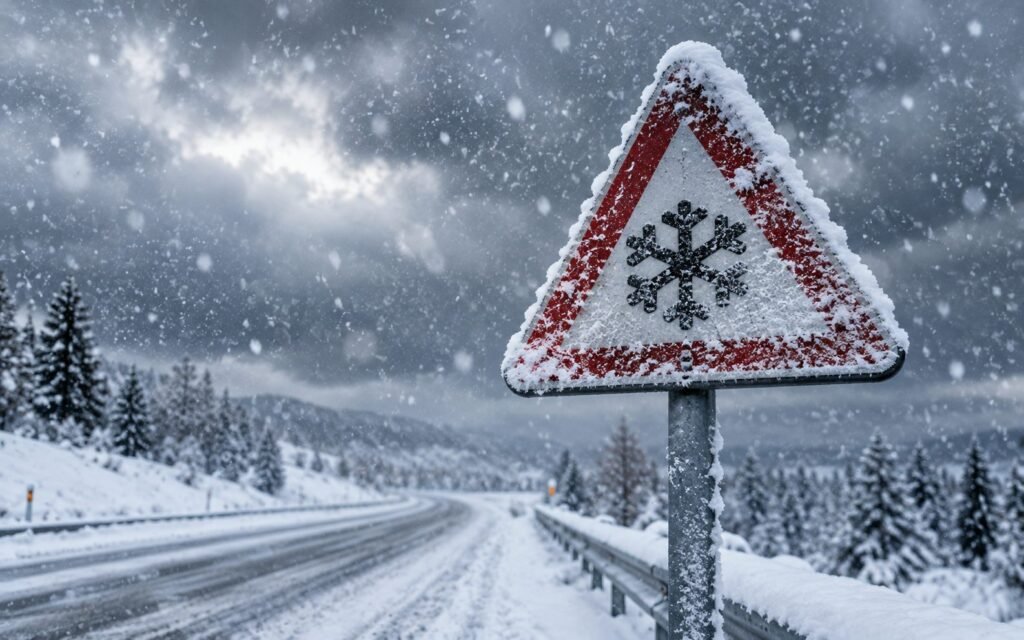
Ice deserves its own alert because it is so dangerous. An ice storm warning means significant ice accumulation from freezing rain is expected, enough to make roads treacherous and to bring down tree limbs and power lines.
What to do: avoid travel entirely if possible and prepare for potential power outages. Even a small amount of ice is more disruptive than a lot of snow, which is why it so often triggers closures, see how much snow it takes to cancel school.
Extreme Cold and Wind Chill Alerts
Some of winter’s worst hazards come without a flake of snow. Extreme cold or wind chill alerts warn that temperatures and wind will combine to make being outside dangerous, with frostbite possible in minutes.
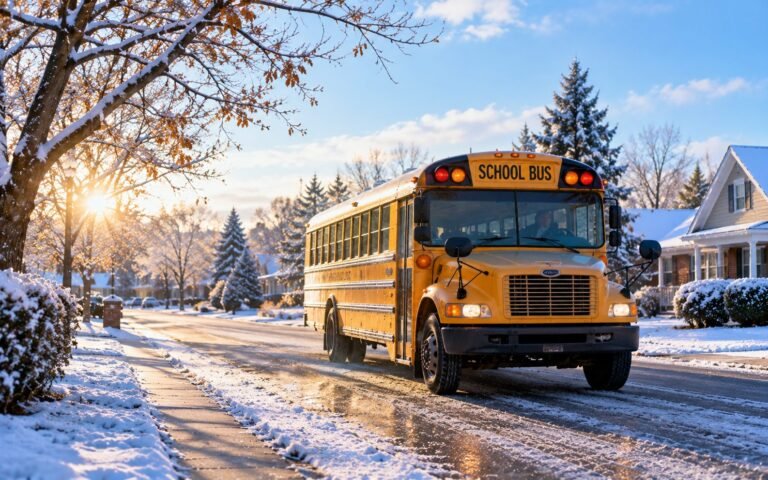
What to do: limit time outdoors, dress in warm layers and check on elderly neighbours and pets. These alerts alone can prompt school delays or closures over frostbite risk at bus stops.
Where to Get Reliable Alerts
Always rely on official sources: your national or local weather service, local news and your community’s emergency alert system. Sign up for your school district’s notifications too, so you hear closure news the moment it is announced. Be cautious with unofficial social media posts, which can spread outdated or incorrect warnings.
Turning Alerts Into a Snow-Day Read
Alerts tell you the weather is serious; they do not tell you whether your specific school will close. To bridge that gap, combine the official alert with a check of live local conditions on our Snow Day Calculator. A warning plus a high likelihood score is a strong hint to prepare for a closure. For the full picture of how that decision is made, see how snow days work.
Conclusion
Winter alerts are a simple ladder of urgency: a watch to prepare, an advisory to be careful, and a warning to take action, with ice and extreme cold alerts deserving special respect. Learn to read them, trust official sources, and pair them with a quick look at the Snow Day Calculator to understand what the weather means for your morning.