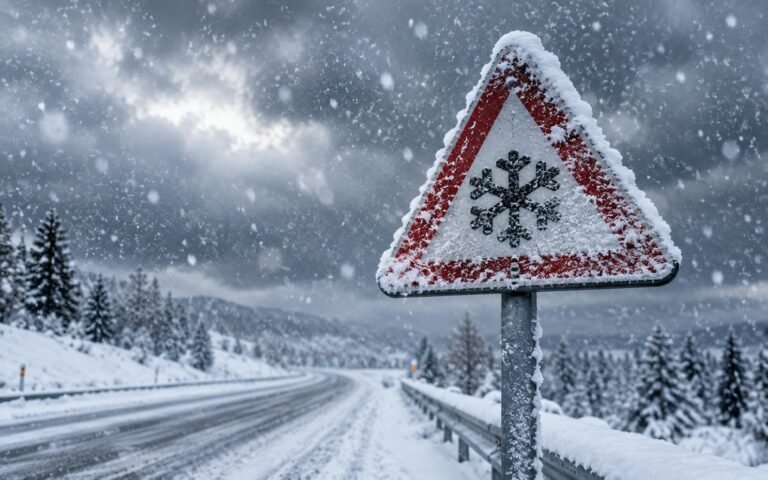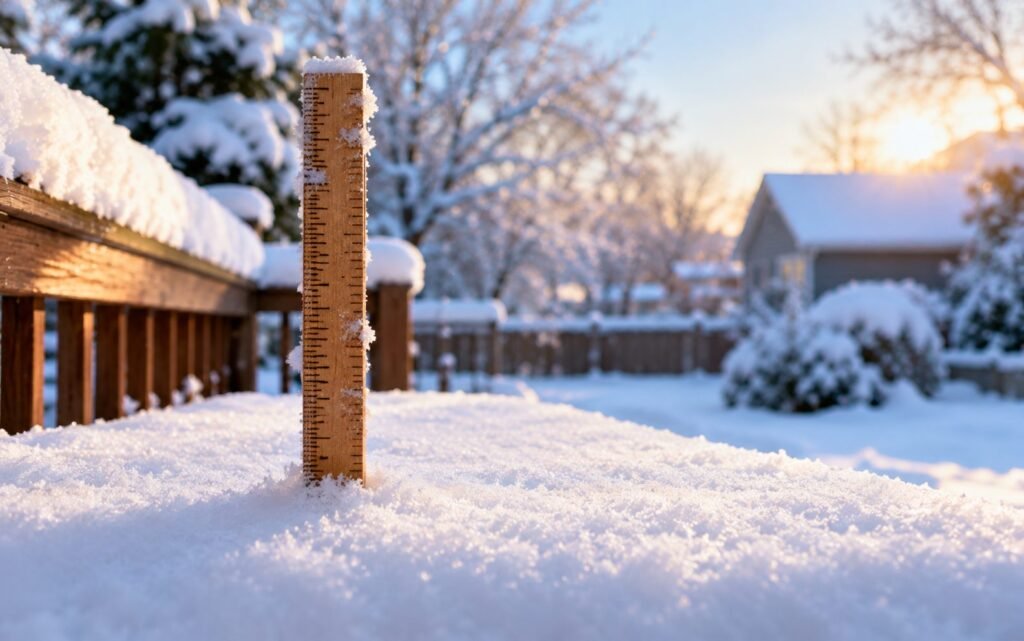
It is the question every student asks the moment flurries start: how much snow does it actually take to cancel school? The frustrating but honest answer is that there is no universal number. What closes a school in one town is a normal Tuesday in another.
Still, there are clear patterns. Here is how the threshold works, why it swings so wildly, and what often matters more than the depth on your lawn.
Why There Is No Magic Number
Schools do not close based on a snowfall ruler. They close based on whether travel is safe. Snow depth is only a proxy for that. A region’s snow-removal resources, driver experience, terrain and typical climate all change how many inches translate into real danger.
That is why the same six inches can be a full closure in one place and a minor inconvenience in another.
Snowy Regions: Higher Thresholds
Areas that expect heavy winters are built for it. They have large fleets of ploughs, ample road salt, experienced drivers and communities used to cold. In these places, it can take a substantial storm, often 6 inches or more falling quickly, to force a closure. A few inches overnight is simply cleared before the morning bell.
Mild Regions: Much Lower Thresholds
Regions that rarely see snow are the opposite. With few ploughs, little salt and drivers unaccustomed to ice, even 1 to 2 inches can overwhelm the system. In some mild climates, the mere forecast of snow, or a hard freeze, is enough to close schools as a precaution. It is not an overreaction; it is a sensible response to limited resources.
What Matters More Than Inches
Depth often takes a back seat to these factors:
- Ice. A glaze of freezing rain is more dangerous than several inches of powder and can close schools with almost no accumulation.
- Timing. Snow during the commute outweighs the same amount overnight.
- Temperature. Dangerous wind chills can close schools with no new snow at all.
- Road treatment. How quickly local crews can salt and plough changes everything.
For the full breakdown of these conditions, see what causes a snow day.
Why Timing Beats Depth
Imagine two identical four-inch snowfalls. One finishes at 2 a.m., giving crews four hours of darkness to clear the roads before buses roll. The other starts at 6:30 a.m. and falls through the morning rush. The first likely means school as usual; the second may well mean a closure. Same inches, opposite outcomes.
The Role of Local Policy
Finally, the people making the call matter. Some districts are cautious and close early to prioritise safety; others push to keep schools open whenever possible. This human element is why neighbouring towns in the same storm sometimes disagree. Our guide who decides snow days explains how that judgement is made.
How to Gauge Your Town’s Odds
Because the threshold depends on your specific location and conditions, a live tool is the best guide. Enter your city or postal code into our Snow Day Calculator and it reads the current snowfall, temperature and precipitation for your area, then estimates the likelihood, no guesswork about magic numbers required.
Conclusion
How much snow cancels school is less about a set number of inches and more about safety, timing, ice and local resources. A snowy city may shrug off six inches while a mild town closes for one. Check live conditions with a Snow Day Calculator, know your region’s habits, and confirm the final decision with your school district.