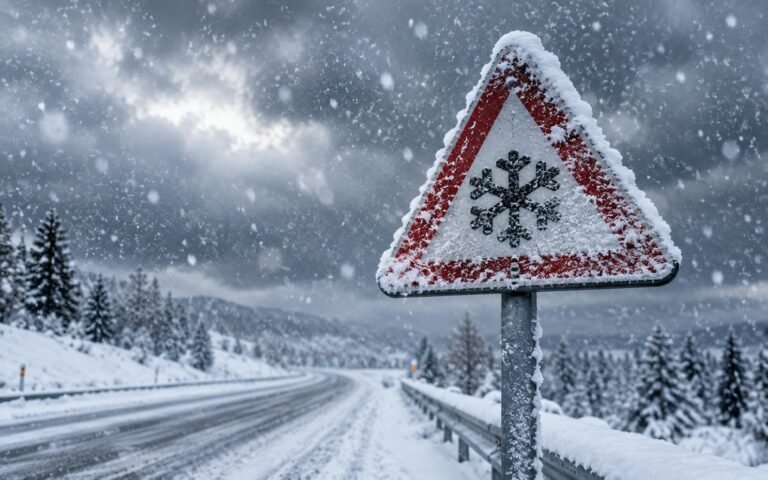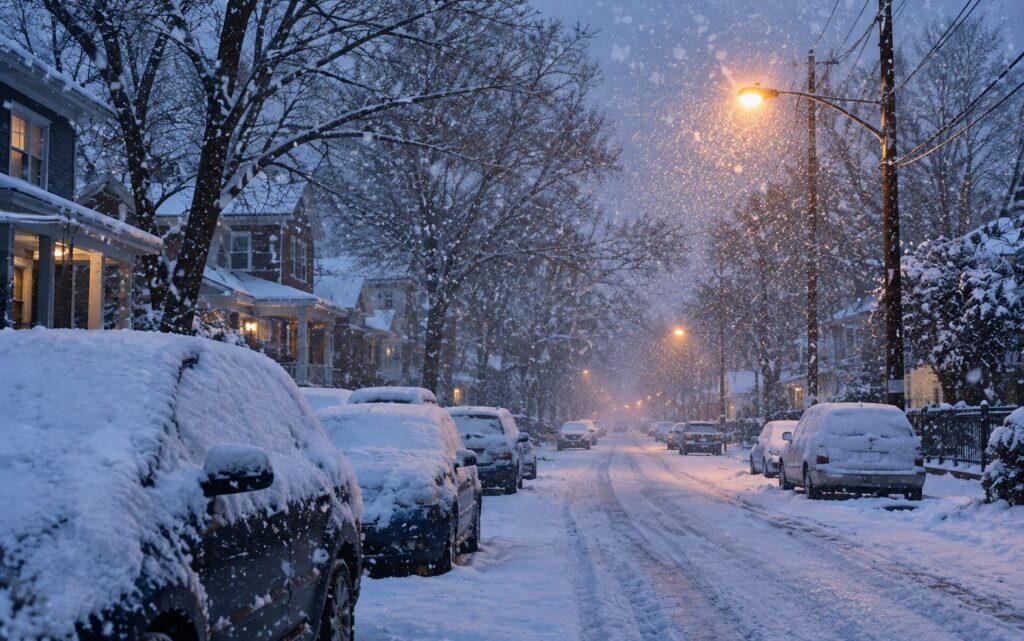
Snow days feel unpredictable, but they usually come down to a short list of weather conditions working together. When you know what those conditions are, that early-morning guessing game gets a lot more informed.
Below are the factors that actually cause a snow day, roughly in the order decision-makers care about them, plus how each one tips the balance.
1. Snowfall Amount and Timing
Snowfall is the headline factor, but timing matters as much as volume. Six inches overnight that crews can plough before dawn may cause only a delay, while two inches falling hard at 7 a.m. can shut everything down because it hits during the exact window buses are on the road.
Fast, heavy snowfall that outpaces the ploughs is the classic snow-day maker. A steady light dusting over many hours is far easier to manage.
2. Ice and Freezing Rain
If snow is the loud factor, ice is the dangerous one. Freezing rain coats roads, sidewalks and power lines in a glaze that is almost invisible and extremely slick. Even a thin layer can make bus routes impassable.
Because ice is so hazardous, many closures are called for freezing rain alone, with little or no accumulating snow. It is one of the most respected triggers in any district.
3. Temperature and Wind Chill
Temperature decides whether precipitation falls as rain, snow or ice, so it shapes everything else. But extreme cold can close schools on its own. When wind chills drop to dangerous levels, districts worry about frostbite for children waiting at bus stops.
To understand how wind and temperature combine, the concept of wind chill is worth a quick read, it explains why a calm 20°F can feel safer than a windy 30°F.
4. Precipitation Chance and Type
A high chance of precipitation only matters when the air is cold enough to turn it into snow or ice. That is why temperature and precipitation are read together. A 90% chance of rain at 45°F is a non-event for schools; the same chance at 31°F is a potential closure.
5. Wind and Drifting Snow
Strong wind does two jobs. It makes the air feel far colder, pushing wind chills down, and it blows fallen snow back across roads that were just cleared, creating drifts and whiteout conditions. A moderate snowfall with high wind can be more disruptive than a heavier, calm one.
6. Road and Ground Conditions
Weather does not act on a blank slate. Ground that is already frozen, roads that refroze overnight into black ice, or earlier snow that never fully cleared all raise the stakes. This is why a storm that follows a cold snap can hit harder than the raw snowfall suggests.
How These Factors Combine
No single factor acts alone. The dangerous mornings are the ones where several line up: snow plus near-freezing temperatures plus wind, or a cold snap followed by freezing rain. A good Snow Day Calculator weights these together, giving snow and ice far more influence than light rain, so the final score reflects real risk rather than raw numbers.
For the human side of how these readings become an actual decision, see who decides snow days, and for how much snow it typically takes, read how much snow it takes to cancel school.
Checking the Conditions for Your Area
You do not need to monitor six separate readings yourself. Enter your city or postal code into our free Snow Day Calculator and it pulls live temperature, snowfall, precipitation, wind and conditions for your exact location, then turns them into one clear likelihood score.
Conclusion
A snow day is rarely about one dramatic number. It is the combination of snowfall, ice, temperature, wind and timing lining up to make travel unsafe during school hours. Watch those factors together, lean on live local data, and always confirm the final decision with your school district and official weather alerts.