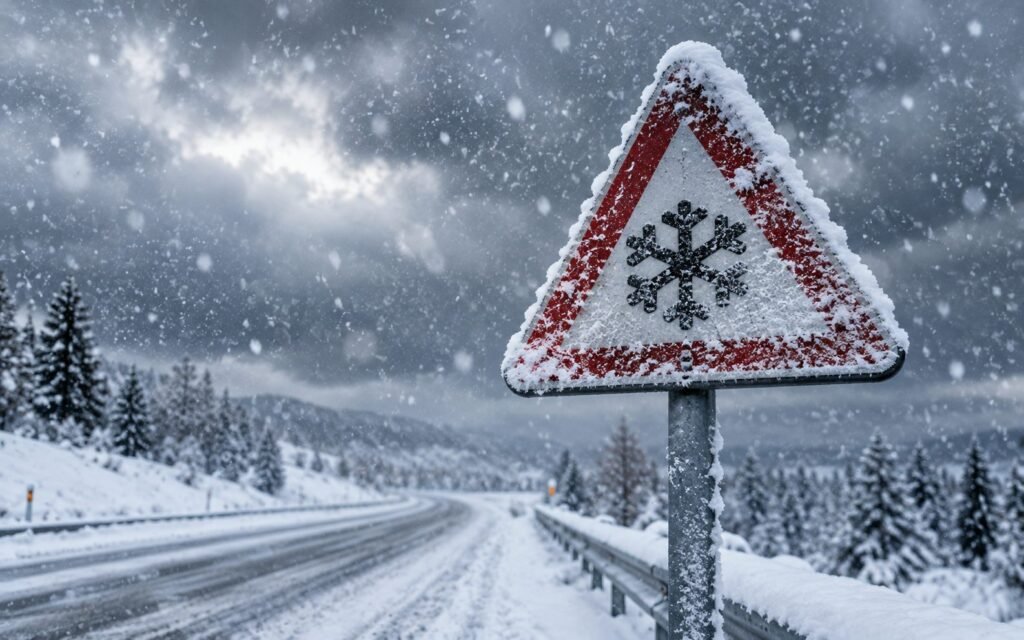
Winter Weather Watches, Warnings & Advisories Explained
Watch, warning, advisory: the terms sound similar but mean very different things. Here is a plain-English guide to winter weather alerts and what to do for each.
Watch, warning, advisory: the terms sound similar but mean very different things. Here is a plain-English guide to winter weather alerts and what to do for each.
Snow days are fun, but winter weather has real hazards. Here are practical snow day safety tips for staying warm, avoiding injury and being ready at home.
School is closed, so now what? Thirty genuinely fun snow day activities for kids, families and adults, from classic outdoor play to cosy indoor ideas.
Who actually calls a snow day, and how do they decide? A look inside the pre-dawn process, the people involved and the factors that tip the call.
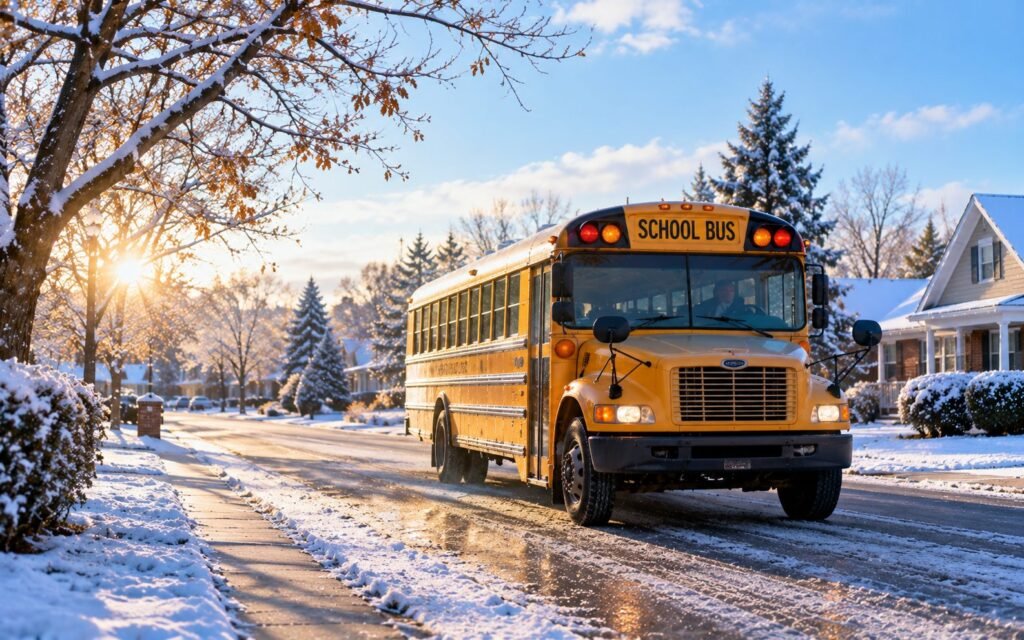
A snow day and a two-hour delay are not the same thing. Here is what each means, why districts choose one over the other and how to plan for both.
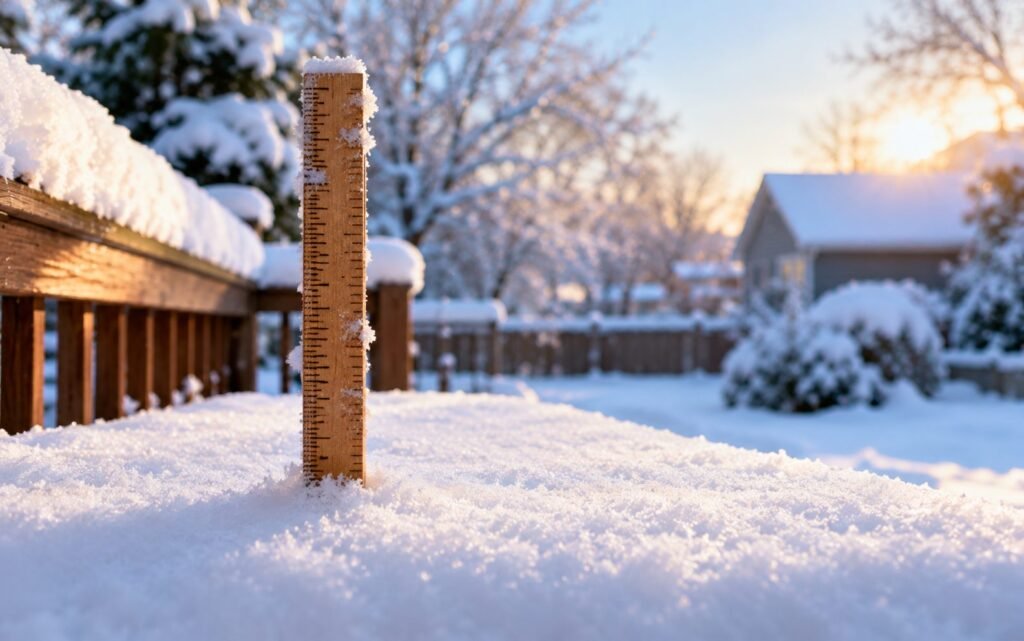
There is no single magic number. Here is how much snow typically cancels school, why it varies so much by region and what matters more than inches.
From snowfall and ice to wind chill and timing, here are the weather conditions that actually cause a snow day and how each one tips the decision.
Want to call it before the district does? Here are seven practical signs that a snow day is coming and how to read them the night before.

Snow day calculators are fun, but how accurate are they really? Here is what they measure, what they cannot know and how to read the result sensibly.
A clear, plain-English guide to how snow days work, who calls them, what weather triggers a closure and how to check the odds for your own town.